12 Jun 2026
Five Studio Pacific projects have been recognised at the Te Kāhui Whaihanga New Zealand Institute of Architects Wellington Architecture Awards, spanning civic, interior, housing, small project and enduring architecture categories. The awards reflect a range of work shaped through collaboration and a focus on how buildings are used over time.
Each of the five projects responds to a different brief, site, and scale of work across Te Whanganui‑a‑Tara and the wider region. Some sit within existing buildings and public precincts, others within regenerating neighbourhoods or rural landscapes.
Civic and Public Architecture
Aratoi Wairarapa Museum of Art and History – Enduring Architecture
“Aratoi is a confident and carefully composed civic gallery complex that sits comfortably within its urban setting. Bold in form and innovative in its early use of engineered laminated timber, the project helped begin an important architectural exploration that has influenced practice in New Zealand for many years. Strong and simple detailing gives the building a timeless identity, while the arrangement of gallery, community, and hospitality spaces creates a rich and engaging public experience. The integration of the existing church and courtyard strengthens the project’s connection to its context. Well-loved and continually evolving, Aratoi remains an important cultural hub for the Masterton community.” – Judges citation.
Te Puna – Small Project Architecture
“Te Puna is a deftly resolved civic connection between two important public buildings. Extending the architectural language of Te Rua while establishing its own identity, the bridge expresses the idea of te hono — connection in both a physical and cultural sense. Developed closely with Mana Whenua, the project weaves storytelling, resilience, and technical skill into a single architectural gesture. Lightweight decorative elements bring movement and softness, balanced by a strong structural form that gives the bridge civic presence and permanence. A particularly successful aspect is the elegant resolution of the movement joint between the base-isolated archives building and the National Library, transforming a complex technical challenge into a meaningful public connection.” – Judges citation.
Interior Architecture
Executive Wing Level 3 Ministerial Suites – Interior Architecture
“This carefully resolved fit-out shows how thoughtful adaptation can bring warmth and contemporary relevance to one of New Zealand’s most formal civic buildings. Working within the Beehive’s strict geometry and existing systems, the project responds with restraint, clarity, and careful attention to detail. Existing timber elements have been retained and reused, while new interventions are integrated seamlessly into the building’s original architectural language. The result is a softer and more humane environment for executive offices that still respects the character of the Beehive. Quietly refined and highly resolved, the project sets a strong example for future adaptation within important civic buildings.” – Judges citation.
Housing
Kāpiti House – Housing
“Kāpiti House combines a restrained exterior with a rich and carefully planned interior sequence. Organised along a long linear path, the home unfolds gradually from pool deck to outdoor and indoor living areas, before leading to more private spaces and an elevated retreat beyond. Framed coastal views are carefully integrated throughout the journey. Structural portal frames provide both architectural rhythm and support for a high-performance building envelope. At the centre of the home, a generous living space beneath a Japanese-inspired roof creates a warm and social heart. Strong, simple, and timber-clad, the house sits quietly within the landscape while creating uplifting interior spaces.” – Judges citation.
Waka Ama Street Housing – Housing – Multi‑unit
“This thoughtful Kāinga Ora housing development shows how careful urban design can transform a standard subdivision into a strong and connected community. Working within tight delivery requirements, the project prioritises the everyday experience of residents through carefully planned streets, pocket parks, front yards, and shared public spaces. Small but important details such as porch seating, generous entry thresholds, and well-designed site edges encourage informal interaction and strengthen neighbourhood identity. A small street park provides a safe and welcoming space for play and gathering across generations. More than just a collection of homes, the project creates a thriving and well-used community environment built around dignity, belonging, and care for residents.” – Judges citation.
Across these projects, the work has been shaped by constraints that are familiar to many clients, tight sites, inherited buildings, and the public accountability that comes with long project lifespans. These awards recognise architecture that responds through collaboration and clarity, prioritising durability over short‑term impact.
Studio Pacific would like to thank our clients, consultants, contractors, and project teams whose contributions have been crucial to the success of each of these projects.
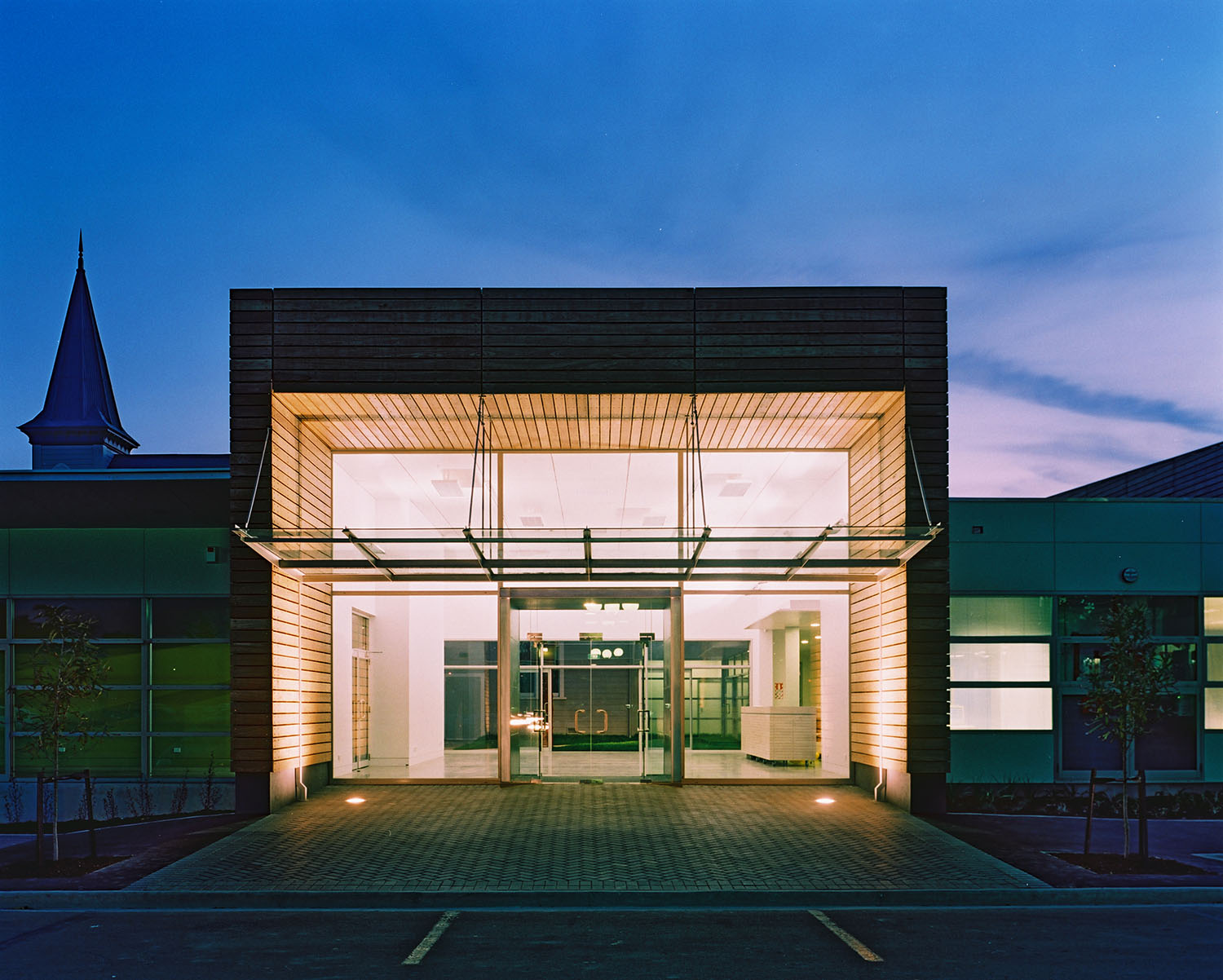
Aratoi Wairarapa Museum of Art and History, Masterton
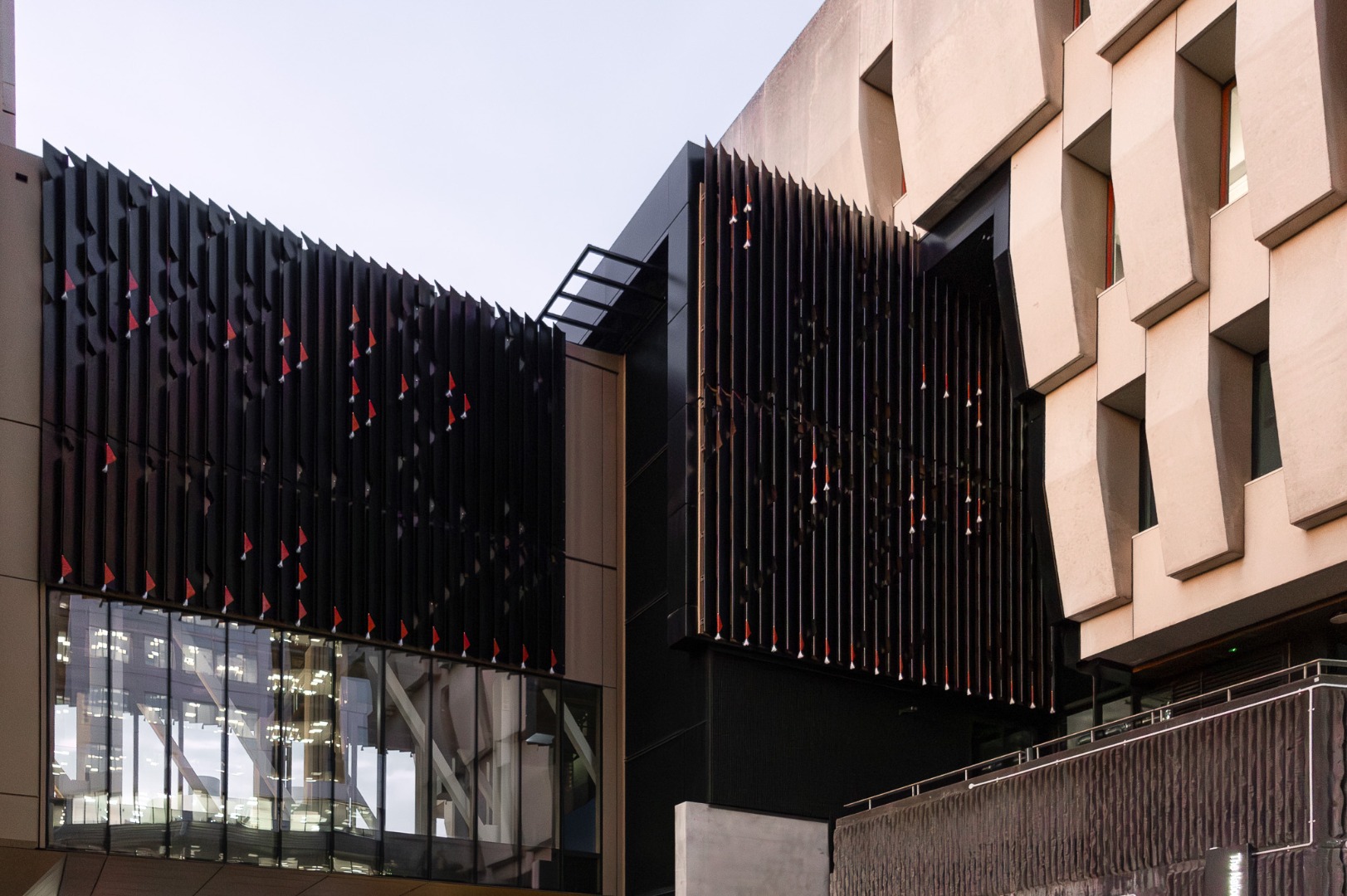
Te Puna, Wellington
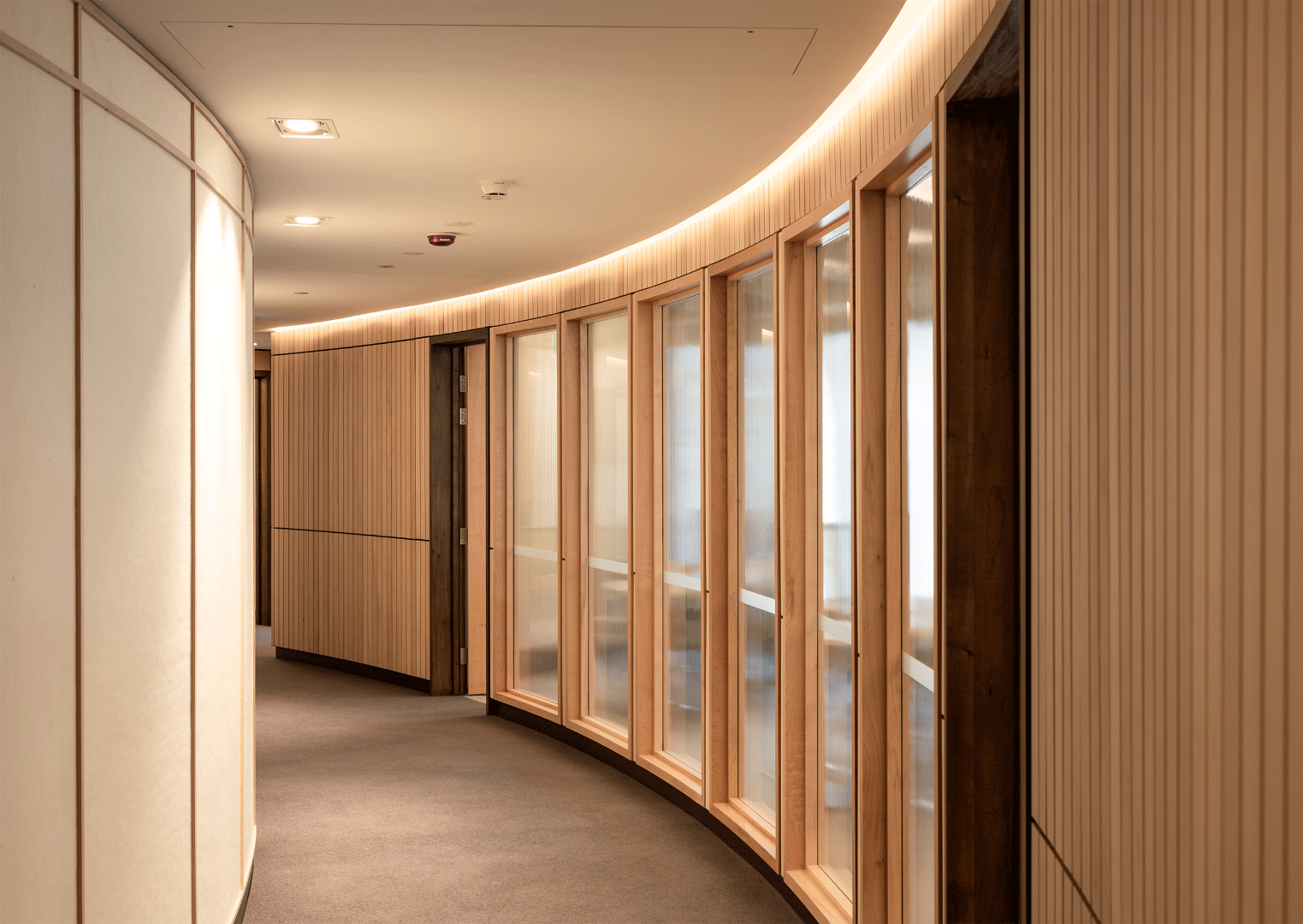
Executive Wing Level 3 Ministerial Suites, Wellington
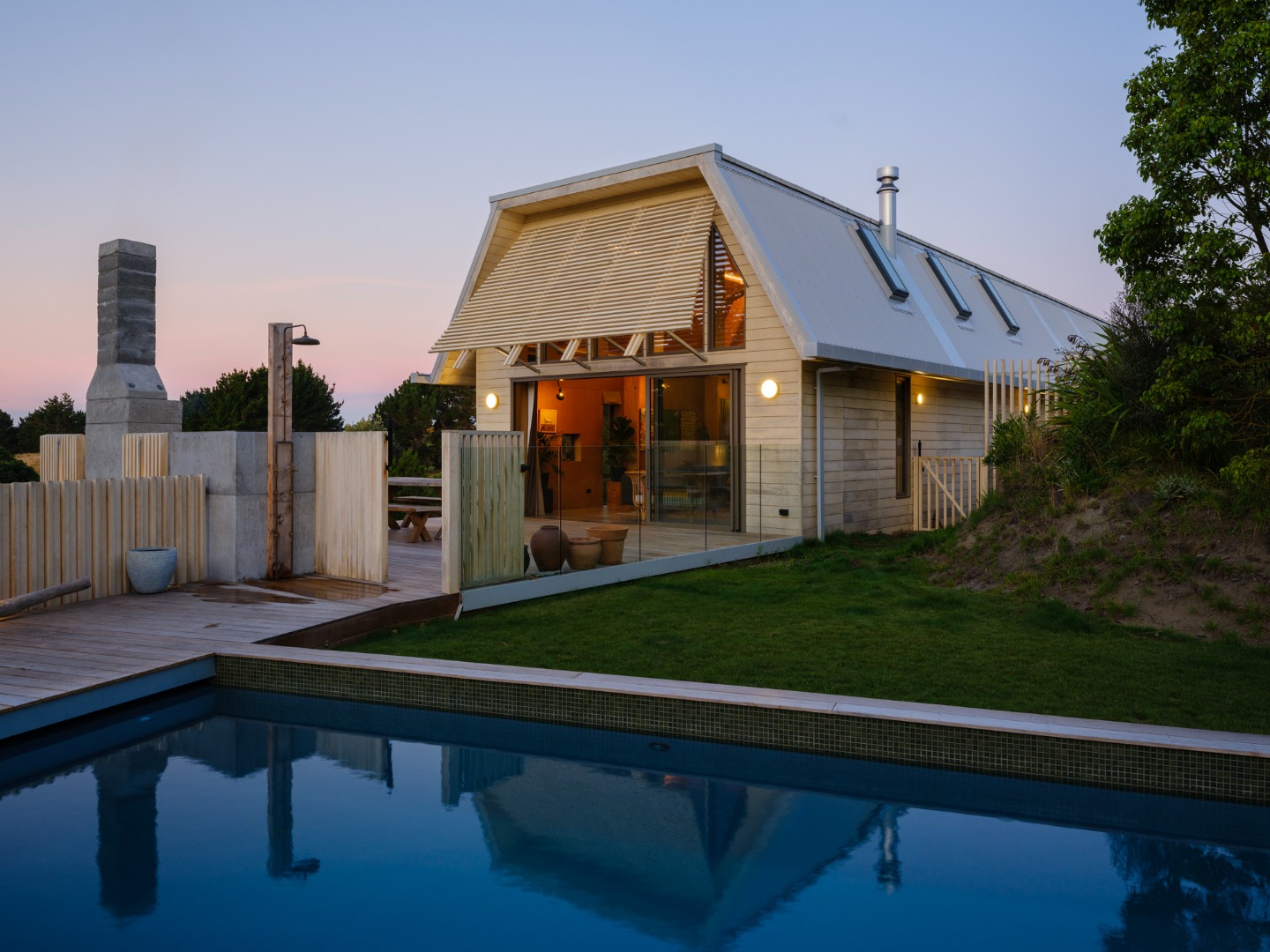
Kāpiti House, Kāpiti
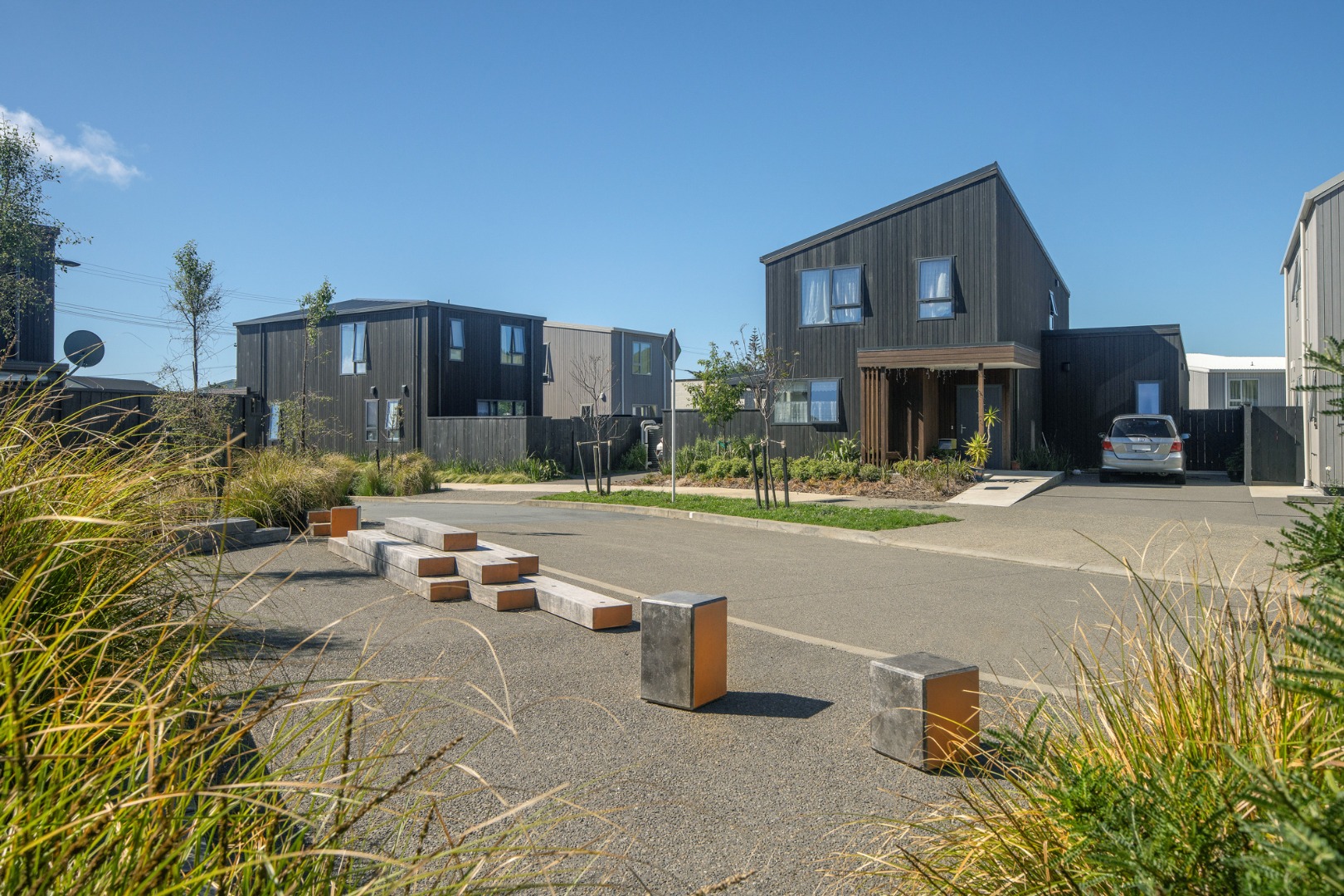
Waka Ama Street Housing, Porirua