21 Oct 2026
This year marks 20 years since James Wallace joined Studio Pacific. Over the last two decades, James has worked on projects throughout Aotearoa, built enduring relationships with clients and collaborators, and seen both the Studio and architectural practice change considerably.
Now Managing Director at Studio Pacific, we sat down with James to reflect on what has stayed with him, what has changed, what he has learnt along the way, and what he hopes comes next.
Twenty years is a long time in practice. When you look back, what stands out most?
What stands out most is how many of the same people are still around us. There are kaimahi I have worked alongside for much of that time, consultants we have collaborated with across project after project, and clients whose relationships with Studio Pacific goes back 20 or even 30 years.
Architecture can be challenging, so the people you make the journey with matter enormously. I have been fortunate to work with people who bring energy, curiosity and enjoyment to the work, and hopefully I have contributed some of that in return.
When I look back, those enduring relationships probably stand out more than any individual building.
Are there particular projects or relationships from those 20 years that have stayed with you? Why?
It is very hard to single out particular projects. Over 20 years there have been so many remarkable pieces of work, each for different reasons, with different people, different problems to solve and an extraordinary range of architectural expression. There are also many projects I was not personally involved in that I have taken just as much pleasure in seeing emerge from the Studio.
But if you really forced me to choose a favourite, it would be He Tohu. It is a relatively small intervention, but it carries enormous significance, housing some of Aotearoa’s most important taonga. I love the care, craft and restraint of it, and the way the architecture creates a sense of importance without competing with what it is there to hold.
For me, it is also a good reminder that architectural significance has very little to do with the size of a project. He Tohu maybe small, but it is a place I think everybody in Aotearoa should know about and visit.
What stays with me most, though, is rarely a particular detail on a drawing. It is the people, the difficult moments you worked through together, and the sense of having made something worthwhile collectively.
What has changed most about architecture and the way we practise since you joined Studio Pacific?
Well, the fax machine has disappeared and we do not post many sets of drawings anymore.
More seriously, the speed at which we work and exchange information has changed enormously. We have gone from quite linear ways of drawing, documenting and communicating to digital models, cloud-based collaboration and instant communication. Now artificial intelligence is changing the way we work again. We can explore, test and communicate ideas in ways that would have been difficult to imagine 20 years ago.
At the same time, projects have become increasingly complex. There are more voices around the table, more specialist inputs and considerably more information to navigate. That makes collaboration and good judgement more important, not less.
And what hasn’t changed?
The fundamentals have not changed very much. Architecture is still about understanding people, places and problems, and then bringing many different things together into a coherent response.
Good projects still rely on curiosity, judgement, trust and people being prepared to listen to one another. Technology can help us enormously, but it cannot replace the conversation with a client, understanding a community, walking a site, sketching through an idea or recognising when something simply is not good enough.
In the end, and thankfully, architecture is still a very human endeavour.
What have 20 years of working with clients, collaborators and communities taught you?
Probably that no one produces good architecture on their own, and that architects do not arrive with all the answers.
The best outcomes come when you listen properly, understand what matters to the people involved and create enough trust for people to be open with one another. Clients and communities often understand what they need solved, just not always how to solve it. Our job is to ask good questions, bring different perspectives together, and then apply our expertise and judgement to find the right response.
I have also learnt that how you behave when things become difficult matters enormously. Architecture takes time, projects change and there will invariably be difficult moments. Being clear, dependable and constructive through those moments is often what turns a project relationship into a long-term one.
Looking ahead, what matters most to you about where Studio Pacific goes next?
What matters most to me is that Studio Pacific keeps evolving without losing the things that have made it a good practice in the first place.
I want us to remain fiercely curious and ambitious about design, continue to embrace new technology and new ways of working as they emerge, and keep adapting to what our clients and communities need from us. But I also want us to hold onto the things that are harder to measure: strong relationships, generosity, collaboration, good judgement and the ambition to do work that makes a positive difference.
Perhaps most of all, I am interested in what the next generations of Studio Pacific make of the Practice. After 20 years here, I do not want the future to simply be a continuation of the past. A healthy practice should keep renewing itself. I want talented people coming through the Studio to have the confidence and opportunity to challenge ideas, change things and, ultimately, shape what Studio Pacific becomes next. Just as importantly, I want them to enjoy being here, to love the work environment, and to feel genuinely proud of who we are and what we do.
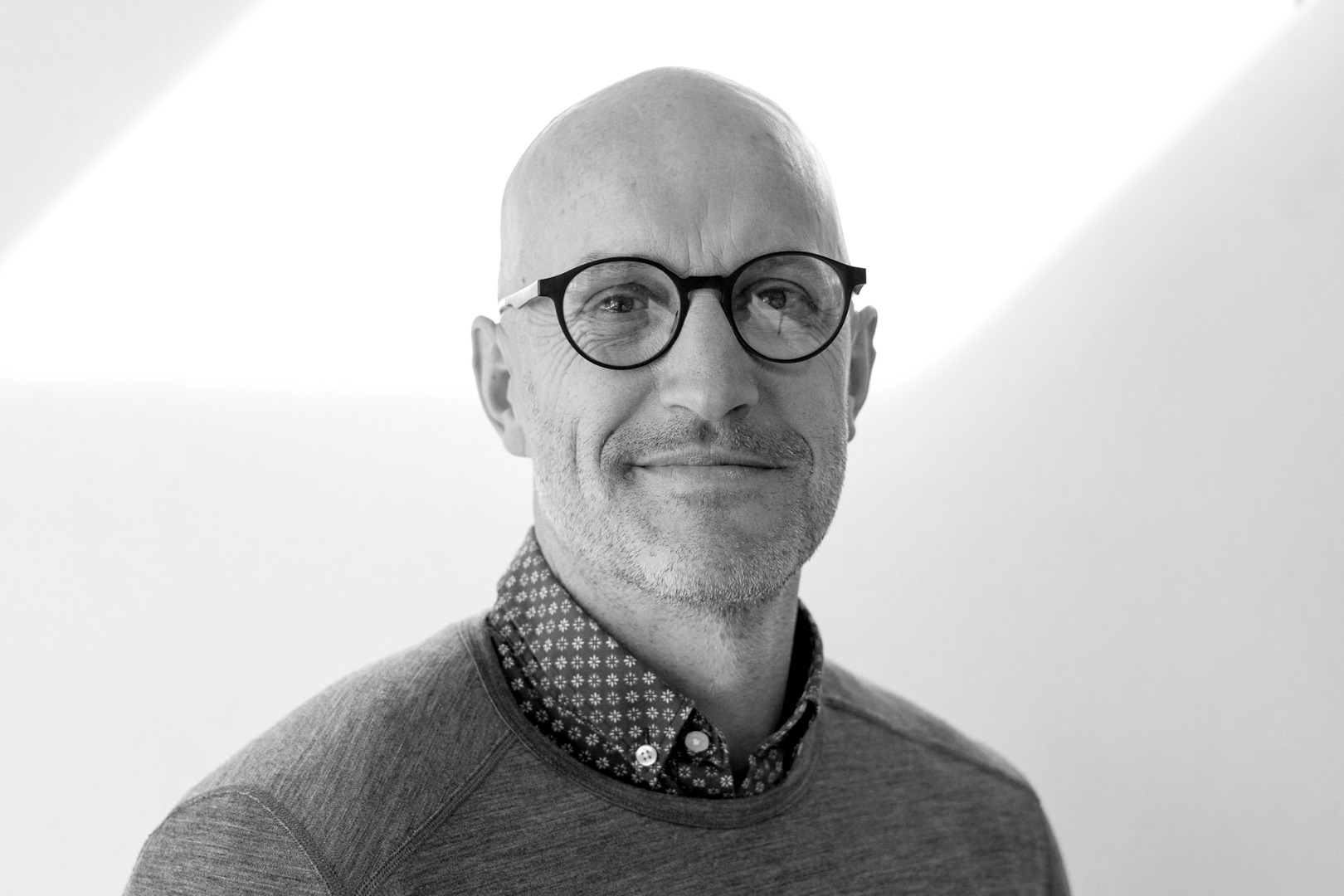
James Wallace